
Victoria has a long-held and aptly-earned reputation of a community catering to the newly-wed and nearly-dead. In a recent (how?) Q&A published by the city, officials tried to
dispel that "myth" with this response:
"Newly wed and nearly dead" no longer accurately describes our city. Slightly more than 43% of residents are single; the average age of all residents is 42.6 years.
If that truly is the case, are city planners and politicians making good choices when it comes to building housing for residents already here? Or are we building housing meant to attract the kind of residents we want to come here for the long-term sustainability of the city?
This city has some long-standing chronic issues that will not go away. Namely its fixation with homelessness and harm-reduction drug strategies. Granted, in the big scheme of things, these are relatively minor statistical issues with a
ridiculously loud footprint. I do not mean to downplay the significance of these issues, I'm simply suggesting that the true number of individuals that these strategies serve is relatively small compared to the number of people who go under-served by the city to which they pay taxes to. Or more accurately, the city to which their landlords pay taxes to.
Victoria is fixated on density right now. Geographically, it is a relatively small parcel of land. And accurately too, they just aren't making any more of it. So buildings must go up and not out. Fair enough. But we do have height restrictions, and we should. We also have a fixation on urban dwellings and revitalizing the north end of downtown. As we also should. But are we building the right dwellings for the type of people we have here?
I think its important to assume that the old adage, if you build it they will come is patently false. The reality is people are attracted to living in Victoria. It is the mildest climate in Canada without question. We also have one of the lowest unemployment rates. But what kind of jobs are we offering? Or more importantly, how much are they paying? And are we actually building places for people who come here to work, or just people who come here to retire?
The city itself continues to
publish this number as the average family income in Victoria: $56,179. It's a 2003 number that is lower than the provincial average and the
CRD average. Let's assume that number has grown with inflation by about 2.5% per year. Now its just a few pennies over $60,000. That's average, not median too. And it includes those rich retirees that developers seem so fixated on.
Housing. Given the current costs, few people can afford more than a condo in Victoria. That's what they're building though, so we should be good right? Except there isn't a new condo development in Victoria available for under $300K. $60K does not a new condo buy. So these "average" people will have to rent. Good thing that Victoria doesn't approve any developments with rental restrictions anymore.
Again the city uses dated numbers, in this case 2004, for its
publication. We'll factor rents went up with inflation: now that $750 for a 2-bed apartment is $787. I question this. I doubt very many people have this rent anymore. Rents are limited to 4% increase per year. My guess is most landlords in town, in this market run up have increased their rents to that limit, but much more if their suites became vacant in that time too, because there are no limits to vacant suite rental increases.
This town is not building housing for people here. It is building houses for people there. Where "there" is, is
anyone's guess, because I don't think the city has a clue when they approve a
development. Developers hire marketers, marketers figure out where to advertise, but in the end, it's the buyer that decides where "there" was, and no one else.
If this town wants sustainable growth, then it needs to address housing affordability issues. This means we need to
densify, but it also means we need to demand developers drop the "luxury condo" bullshit and return to building the types of buildings that went up in the 70s and early 90s, minus the leaks. But until the buyers stop demanding the granite
counter tops and gold-plated fixtures in their 485 SF condos, this trend will continue with death and taxes, and may only get worse and not better.
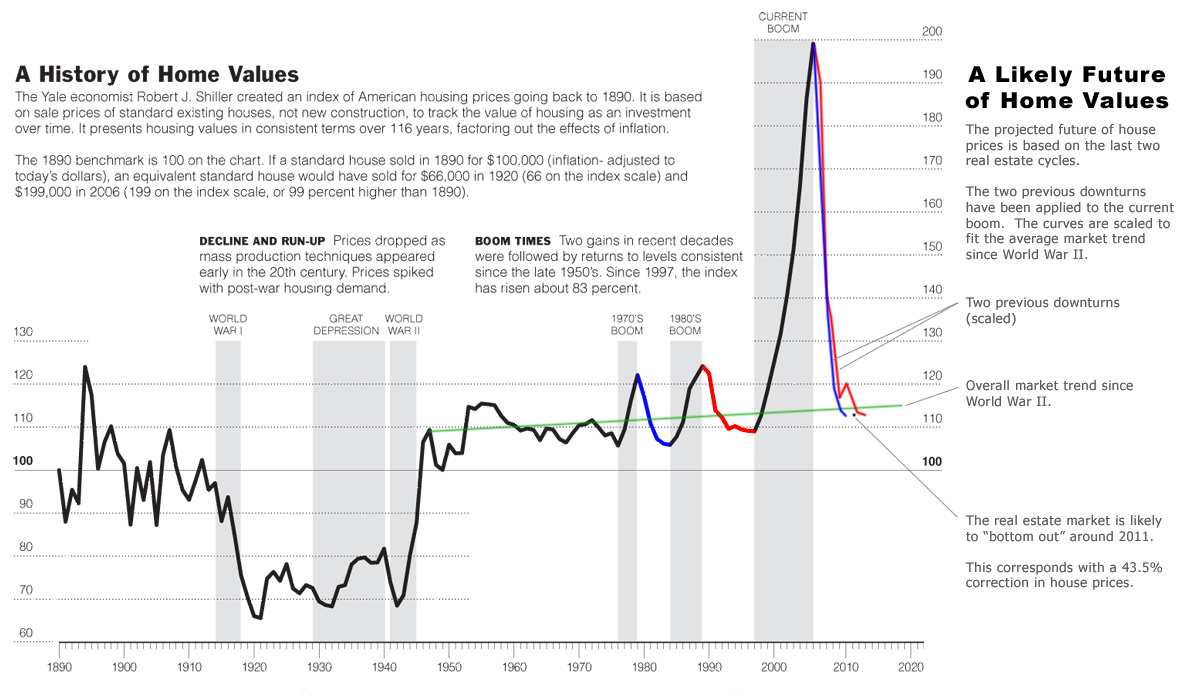 You really should read this. I know it's American, and I know it's different here, except it's not. Because it never has been. And likely never will be. Click here for a better view of above image rather than the image itself. Blogger was acting up tonight.


